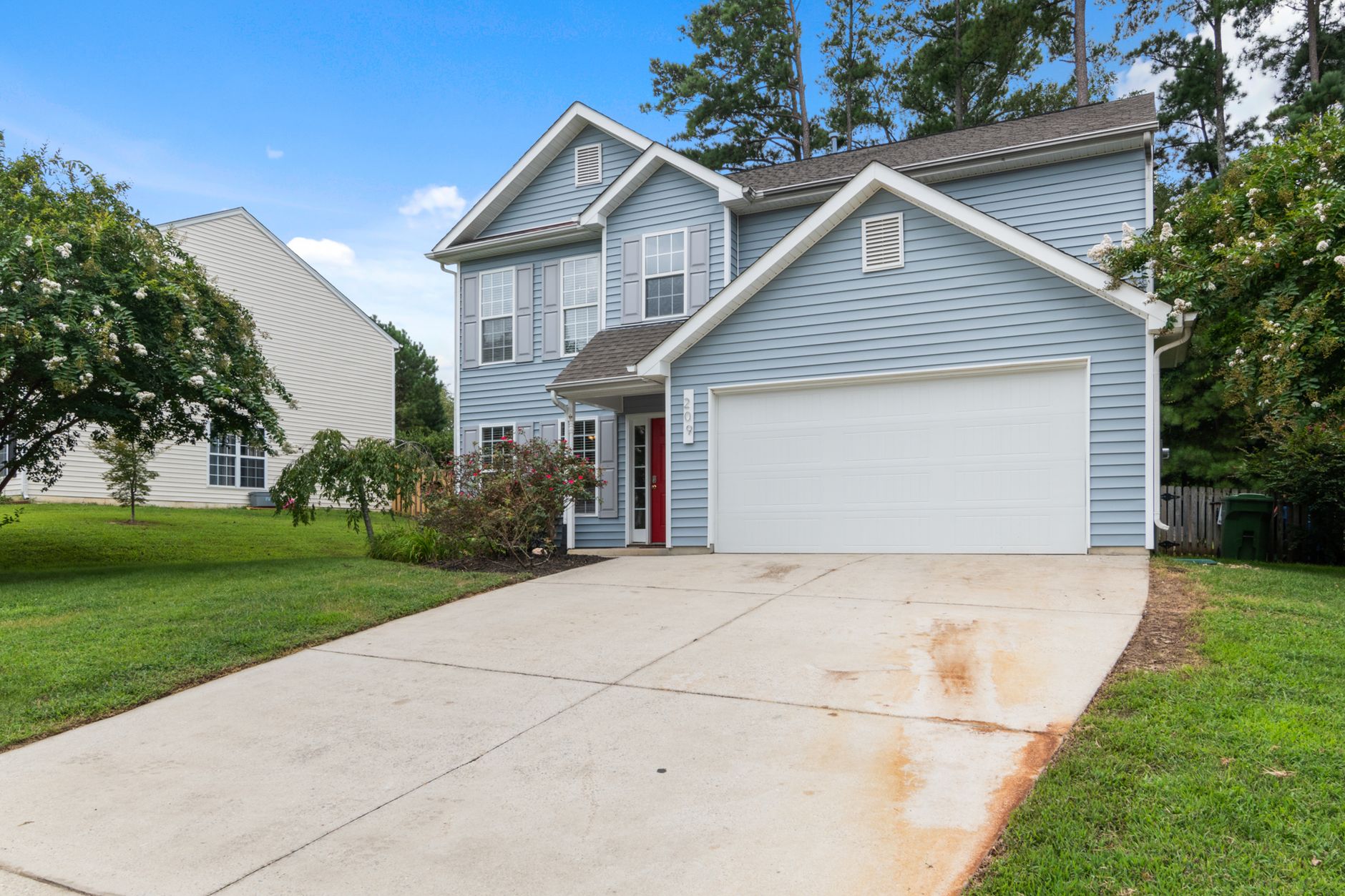
Introduction to Home Siding Ideas
Why Choosing the Right Siding Matters
Your home's siding is more than just a protective layer—it sets the tone for your entire exterior design. Selecting the right siding not only enhances curb appeal but also influences durability, energy efficiency, and maintenance needs. Whether you’re building new or updating an existing home, thoughtful siding choices can elevate your property’s value and aesthetic in meaningful ways.
Trends Shaping Modern Exterior Design
Today’s home siding trends are moving beyond traditional materials and colors. Homeowners and designers are embracing innovative textures, sustainable options, and smart technologies that blend style with function. From combining different materials to experimenting with bold colors and patterns, these trends provide fresh inspiration for creating a standout exterior.
1. Combining Materials for Unique Textures
Mixing Wood and Stone Siding
Blending wood and stone siding creates a harmonious balance between natural warmth and rugged durability. Wood’s organic texture softens the strong, grounded feel of stone, resulting in a visually captivating exterior. This combination works well in rustic, craftsman, and modern farmhouse styles, offering versatility and a layered appearance that invites closer inspection.
For best results, use stone as an accent on lower walls or around entrances, while wood panels cover larger wall areas. This approach highlights architectural features without overwhelming the design.
Incorporating Metal and Fiber Cement
For a sleek, contemporary look, pairing metal siding with fiber cement offers both durability and style. Metal’s reflective qualities and clean lines contrast beautifully with fiber cement’s ability to mimic wood grain or smooth finishes. This combo is ideal for modern or industrial-inspired homes needing a low-maintenance exterior that withstands harsh weather.
Metal accents around windows or as vertical panels can create striking focal points, while fiber cement provides a sturdy, paintable canvas that complements the metal’s boldness.
2. Sustainable and Eco-Friendly Siding Options
Reclaimed Wood and Composite Materials
Using reclaimed wood siding is an environmentally conscious choice that adds character and history to your home’s facade. Salvaged from old barns, factories, or warehouses, reclaimed wood brings unique textures and patinas unavailable in new lumber. Paired with composite materials—engineered from recycled plastics and wood fibers—this approach balances sustainability with longevity.
Composite siding often mimics natural wood but resists rot, insects, and warping, making it a smart alternative for eco-friendly homes. Together, these materials reduce waste and promote resourcefulness in design.
Low-Emission and Energy-Efficient Choices
Modern siding options now include low-emission products that minimize harmful volatile organic compounds (VOCs). Materials like fiber cement and insulated vinyl siding improve your home's energy efficiency by providing better thermal barriers. This means less heat escapes during winter and less heat penetrates in summer, reducing your heating and cooling costs.
Opting for siding with high thermal resistance and low environmental impact supports not only your comfort but also broader sustainability goals.
3. Color and Finish Innovations
Bold Color Palettes to Make a Statement
Gone are the days of sticking to neutral siding colors. Vibrant blues, deep greens, rich reds, and even black are gaining popularity to create striking exteriors that stand out in any neighborhood. These bold hues can be balanced with natural stone or wood accents for a sophisticated yet eye-catching look.
Consider your home’s architectural style and surrounding landscape when choosing colors to ensure harmony and long-term appeal. Paint technology advancements also mean colors stay vibrant longer, resisting fading from sun exposure.
Textured Finishes for Added Depth
Textured siding finishes add visual interest by creating shadows and dimension on your walls. Techniques like stucco-style textures, wood grain embossing, or rough-sawn effects bring tactile richness that flat siding cannot achieve. These finishes work exceptionally well on larger wall surfaces to prevent a monotonous appearance.
When combined with complementary trim and window treatments, textured siding can elevate your home’s facade with subtle artistry.
4. Smart Siding Technologies
Insulated Siding for Energy Savings
Insulated siding integrates a foam backing with traditional siding materials to enhance thermal performance. This technology reduces air infiltration, helping to maintain a consistent indoor temperature year-round. Homes with insulated siding often see noticeable reductions in energy bills and increased comfort.