Introduction to House Siding
Why Choosing the Right Siding Matters
When it comes to protecting and beautifying your home, siding plays a crucial role. The right siding not only shields your house from harsh weather but also enhances its curb appeal and energy efficiency. Selecting the appropriate siding material can save you money on maintenance and repairs while increasing your home’s value.
Overview of Common Siding Types
There are numerous siding options available, each with distinct characteristics suited to different needs and preferences. From traditional wood to modern metal, understanding these choices helps homeowners make informed decisions that balance appearance, durability, and budget.
Popular Siding Materials and Their Benefits
Vinyl Siding: Affordable and Low Maintenance
Vinyl siding is a popular choice for many homeowners due to its affordability and ease of upkeep. It resists moisture, pests, and fading, requiring only occasional cleaning with soap and water. Available in a variety of colors and styles, vinyl offers flexibility without breaking the bank.
Wood Siding: Natural Beauty and Versatility
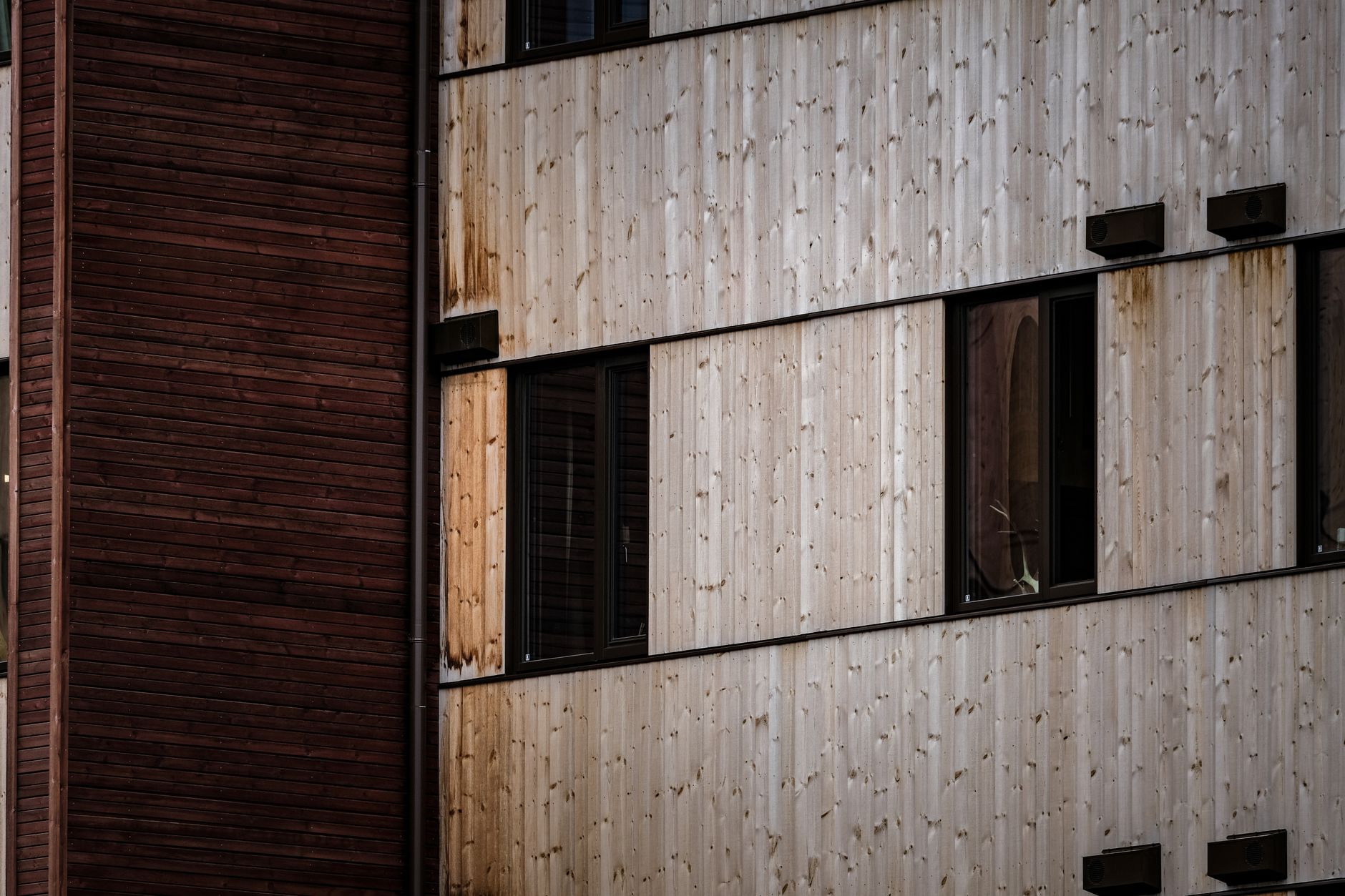
Wood siding provides timeless charm and a warm, natural look that many homeowners desire. It comes in various forms, including clapboard, shingles, and board-and-batten. While wood requires more maintenance to prevent rot and insect damage, its ability to be painted or stained offers endless customization possibilities.
Fiber Cement Siding: Durability and Fire Resistance
Fiber cement siding combines cement, sand, and cellulose fibers to create a material that is both durable and fire-resistant. It can mimic the appearance of wood or stucco but with enhanced longevity and less upkeep. This siding is ideal for areas prone to wildfires or harsh weather conditions.
Metal Siding: Modern Look and Longevity
Metal siding, often made from aluminum or steel, offers a sleek, contemporary aesthetic. It stands up well to wind, hail, and fire, and is resistant to pests like termites. Although typically more expensive upfront, metal siding’s long lifespan and minimal maintenance requirements make it a cost-effective option over time.
Brick and Stone Veneer: Classic Appeal and Strength
For a timeless, sturdy exterior, brick and stone veneer siding provide unmatched durability and natural beauty. These materials add significant weight and insulation to a home, requiring professional installation. Their classic appeal can dramatically boost your property’s market value.
Factors to Consider When Selecting Siding
Climate and Weather Resistance
Your local climate heavily influences siding performance. For instance, fiber cement and metal are excellent in areas with extreme weather, while wood may be better suited to mild climates. Consider moisture levels, temperature swings, and potential natural hazards when making your choice.
Budget and Installation Costs
Initial costs vary widely between siding types—from affordable vinyl to pricier stone veneer. Don’t overlook installation expenses, which can significantly affect your overall budget. Factor in long-term maintenance costs to evaluate true affordability.
Aesthetic Preferences and Home Style
The siding should complement your home’s architectural style and your personal taste. Certain materials pair better with traditional designs, while others suit modern or industrial looks. Color options and texture also play a vital role in achieving the desired visual impact.
Energy Efficiency and Insulation
Some siding materials provide better insulation, helping reduce heating and cooling costs. Adding insulated siding or combining siding with exterior foam insulation can boost your home’s energy efficiency, leading to savings and increased comfort.
Maintenance Requirements for Different Siding Types
Routine Cleaning Tips
Regular cleaning extends the life of your siding. Vinyl and fiber cement siding can be washed with a garden hose or pressure washer on a gentle setting. Wood siding benefits from soft brushing and mild detergent to prevent buildup. Metal siding should be rinsed to remove dirt and debris to avoid corrosion.