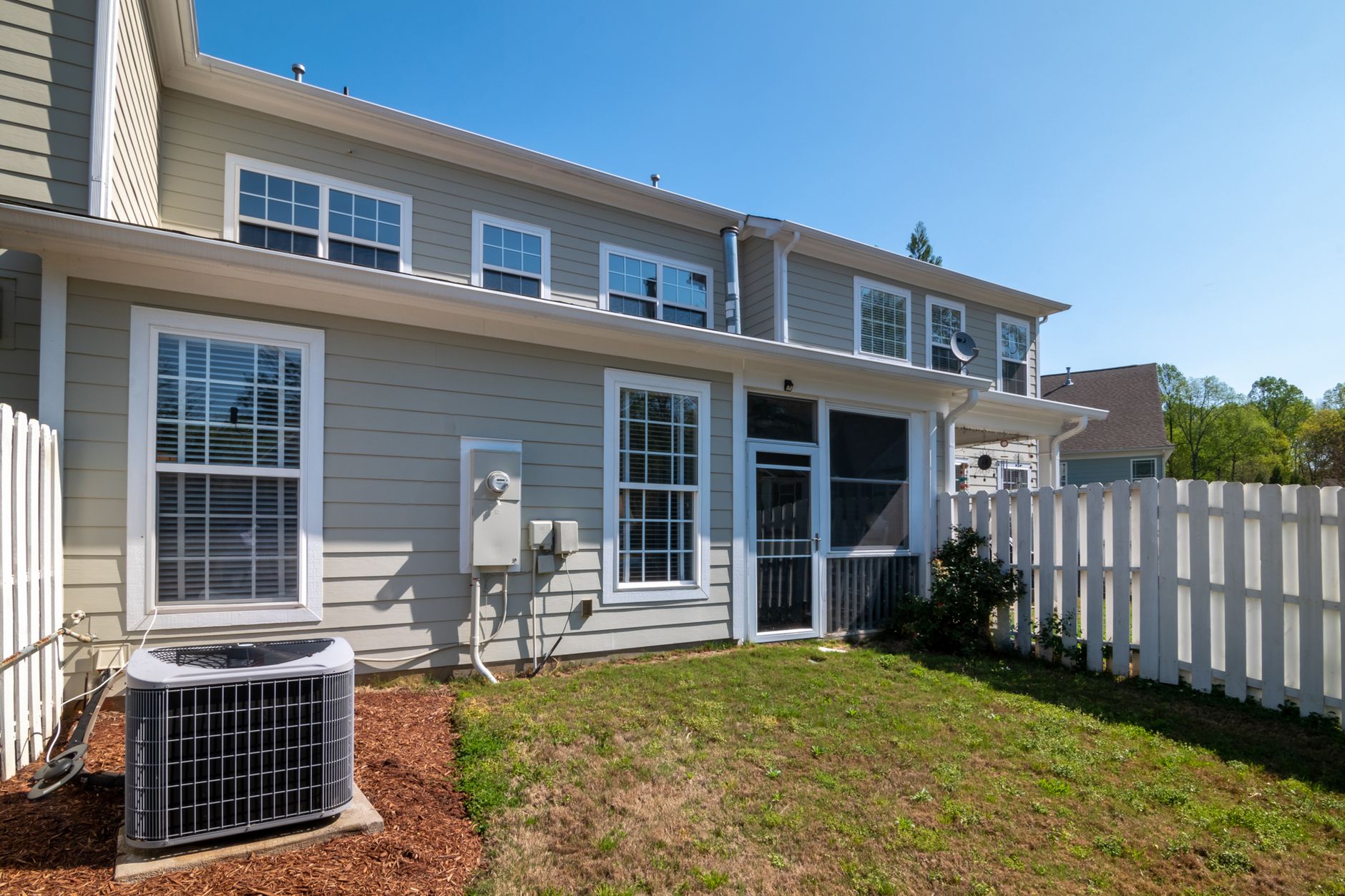
Understanding the Average Price of Siding
What Is Included in Siding Costs?
When considering the average price of siding, it's important to understand what the overall cost encompasses. Typically, the price includes the material itself, labor for installation, and any necessary preparatory work such as removing old siding or making repairs to the underlying structure. Additional factors like permits, delivery fees, and finishing touches can also impact the final bill. By knowing these components, homeowners can better anticipate what to expect beyond just the per-square-foot material cost.
How Average Prices Are Calculated
The average price of siding is usually calculated based on a combination of the cost per square foot of the material and the labor required for installation. Contractors often provide quotes that factor in both elements, and sometimes include overhead and profit margins. National averages are compiled by gathering data from various projects, which helps to provide a realistic range rather than a fixed figure. However, individual project costs can vary widely depending on location, home size, and siding type.
Common Types of Siding and Their Costs
Vinyl Siding: Affordable and Popular
Vinyl siding remains one of the most popular choices among homeowners due to its affordability and ease of maintenance. The cost typically ranges from $3 to $7 per square foot installed. Vinyl is lightweight, durable, and resistant to pests and moisture, making it a cost-effective option for many. It also comes in a wide variety of colors and textures, allowing homeowners to customize their home’s appearance without breaking the bank.
Wood Siding: Classic Look with Higher Costs
For those seeking a traditional, natural aesthetic, wood siding offers timeless appeal. However, it comes with a higher price tag, generally between $6 and $12 per square foot installed. Wood siding requires more maintenance, including regular painting or staining, to keep it protected from weather and insects. Despite the costs, many homeowners value wood for its authentic look and the character it adds to a home.
Fiber Cement Siding: Durable and Mid-Range Pricing
Fiber cement siding has grown in popularity because it combines durability with a moderate price point, usually around $5 to $10 per square foot installed. This material resists rot, fire, and insects, and it can mimic the appearance of wood or stucco. While its installation is more labor-intensive than vinyl, fiber cement offers long-term value through its longevity and low maintenance needs.
Metal Siding: Longevity and Price Considerations
Metal siding, including aluminum and steel options, typically costs between $7 and $12 per square foot installed. It is prized for its durability, resistance to weather extremes, and modern look. Metal siding can be more expensive upfront but often requires less maintenance over time. It's a particularly good choice in regions prone to fire or heavy storms.
Other Options: Stucco, Brick, and Stone Veneer
Beyond the common materials, homeowners might consider stucco, brick, or stone veneer siding. Stucco costs around $6 to $9 per square foot, offering a seamless, textured finish ideal for certain architectural styles. Brick siding is more expensive, often ranging from $10 to $20 per square foot, but it provides unmatched durability and curb appeal. Stone veneer offers the look of natural stone at a fraction of the cost, generally between $7 and $14 per square foot, though installation can be labor-intensive.
Factors That Influence the Price of Siding
Material Quality and Brand
The grade and brand of siding material can significantly affect the price. Premium brands often use higher quality materials with enhanced warranties, which can justify higher costs. Conversely, budget brands might offer lower upfront prices but may not last as long or require more maintenance.
Installation Complexity and Labor Costs
Installation labor is a substantial portion of siding costs. Factors such as the siding type, the need for custom cuts, and the complexity of the home’s exterior (e.g., multiple angles, windows, or intricate trim) increase labor time and expense. Skilled labor is essential for ensuring proper installation and avoiding future problems.
House Size and Architectural Features
Larger homes naturally require more material and labor, increasing total costs. Architectural details like bay windows, dormers, and decorative trim also add to the complexity and price. Homes with multiple stories or difficult access points can further raise installation expenses.
Geographic Location and Climate Impact
Regional factors play a role in siding prices. Areas with higher labor costs or strict building codes often see elevated prices. Climate considerations matter as well; for example, homes in hurricane-prone areas may require impact-resistant siding, which tends to be more expensive.
Additional Expenses: Removal and Disposal of Old Siding
Removing existing siding adds time and cost to the project. Disposal fees and proper handling of old materials, especially if they contain hazardous substances like asbestos, can increase expenses. It's important to factor these costs into your budget.