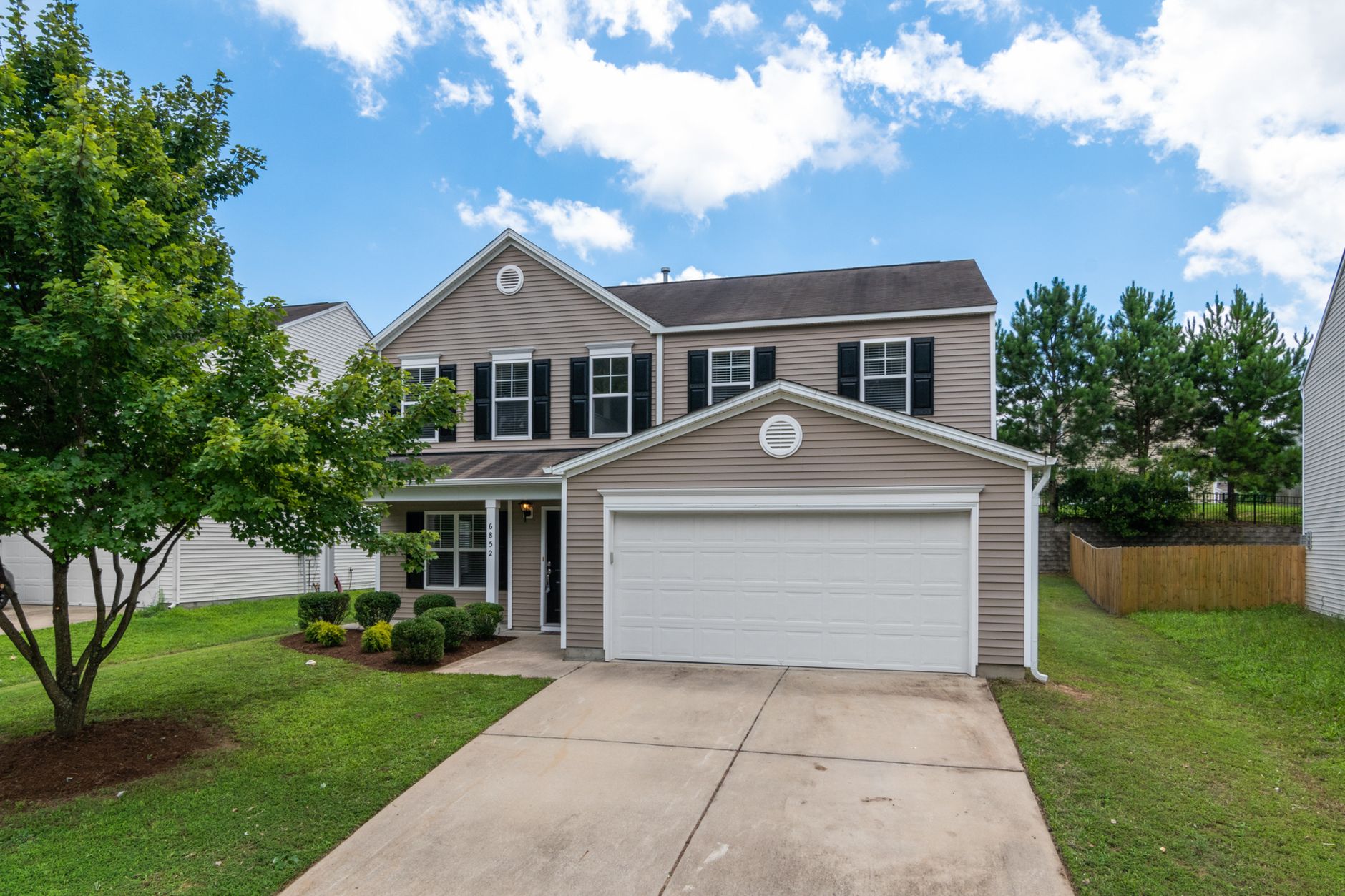
Introduction to Vinyl Siding for Homes
What is Vinyl Siding?
Vinyl siding is a popular exterior cladding material made from polyvinyl chloride (PVC) resin. It is designed to mimic the look of traditional wood siding while offering enhanced durability and lower maintenance. Available in a variety of textures and colors, vinyl siding provides homeowners with a flexible and cost-effective option to protect and beautify their homes.
Why Choose Vinyl Siding for Your House?
Choosing vinyl siding for your house offers a blend of practicality and aesthetic appeal. It stands out for its affordability, ease of installation, and resistance to common exterior problems such as rot, insect damage, and weather wear. Additionally, vinyl siding’s versatility allows it to complement many architectural styles, making it a favorite choice for homeowners seeking both value and visual impact.
Top Benefits of a House with Vinyl Siding
Cost-Effectiveness Compared to Other Materials
One of the biggest draws of vinyl siding is its cost-effectiveness. Compared to materials like wood, brick, or fiber cement, vinyl siding typically costs less both in terms of initial purchase and installation. This makes it an attractive option for budget-conscious homeowners who want to enhance their home's exterior without a hefty investment.
Durability Against Weather Elements
Vinyl siding is engineered to withstand a wide range of weather conditions, from heavy rains and snow to strong winds and intense sunlight. Unlike wood, it doesn’t rot or warp when exposed to moisture, and it resists insect damage. Its resilience helps maintain the structural integrity and appearance of your house over many years.
Low Maintenance Requirements
Maintaining a house with vinyl siding is straightforward. Unlike wood, it does not require painting, sealing, or regular treatments. A simple washing a couple of times a year is usually sufficient to keep it looking fresh. This low maintenance factor saves homeowners time, effort, and money on upkeep.
Energy Efficiency Advantages
Vinyl siding can contribute to your home’s energy efficiency, particularly when installed with an insulated backing. This insulation helps reduce heat loss during winter and keeps your home cooler in the summer, potentially lowering your energy bills and enhancing indoor comfort year-round.
Wide Range of Styles and Colors
Modern vinyl siding comes in a vast selection of colors, textures, and profiles. Whether you prefer the look of traditional clapboard, shake, or smooth panels, vinyl siding offers options that can align with your design preferences. This versatility allows homeowners to customize their exterior while enjoying the benefits of vinyl.
Common Challenges and How to Address Them
Potential for Cracking or Warping
Although vinyl siding is durable, it can crack or warp under certain conditions, such as impact damage or extreme temperature fluctuations. To minimize this risk, it’s crucial to have vinyl siding properly installed with adequate expansion gaps and to avoid exposure to excessive heat sources, like grills or outdoor heaters placed too close.
Fading and Discoloration Over Time
Extended exposure to sunlight can cause vinyl siding colors to fade or become dull over time. Choosing high-quality siding with UV-resistant coatings can help preserve color vibrancy. Additionally, regular cleaning prevents surface buildup that may accelerate discoloration.
Impact of Extreme Weather Conditions
Severe weather—such as hailstorms, hurricanes, or ice storms—can potentially damage vinyl siding. While it holds up well under normal conditions, extreme events may cause dents, cracks, or even sections to loosen. Prompt inspection and repairs after such events are essential to maintain siding integrity.
Essential Maintenance Tips for Vinyl Siding
Regular Cleaning Methods and Frequency
Cleaning your vinyl siding at least once or twice a year helps maintain its appearance and prevents mold or dirt buildup. Use a garden hose or a low-pressure power washer paired with a gentle detergent solution. Avoid abrasive cleaners or harsh chemicals that can damage the siding’s surface.
Inspecting and Repairing Damages
Conduct routine inspections to check for any cracks, loose panels, or other damage. Small cracks or holes can often be repaired with vinyl siding repair kits, while larger damage might require panel replacement. Timely repairs prevent moisture intrusion and further deterioration.